
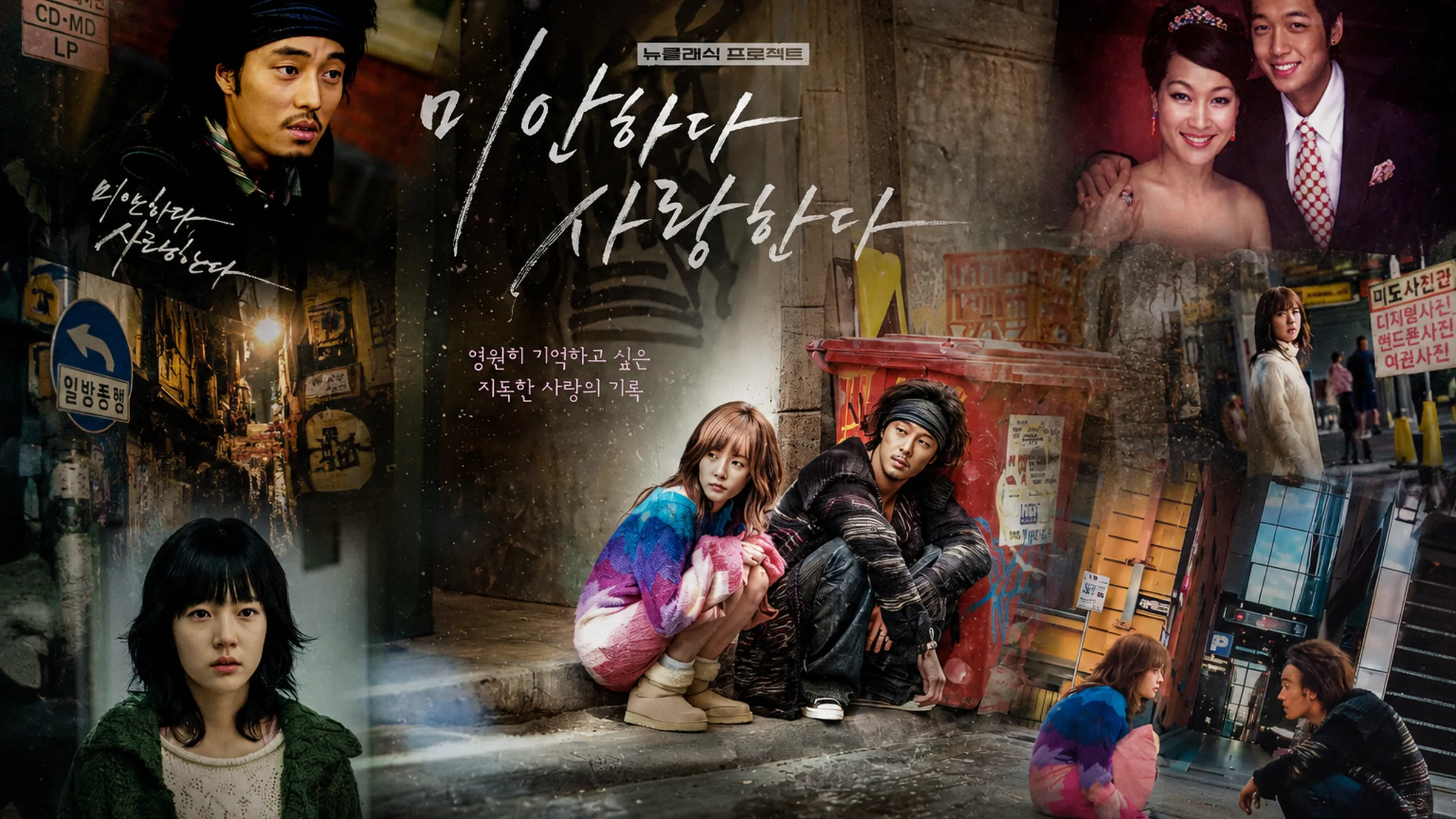
This article contains information about major premises in I’m Sorry, I Love You.
Cha Moo-hyuk from I’m Sorry, I Love You is remembered as a man destroyed by love. But his tragedy began long before he met Song Eun-chae.
Played by So Ji-sub, Moo-hyuk was born in Korea but was adopted to Australia as a child. KBS likewise introduces him as someone who was “adopted to Australia as a child.” As an adult, he returns to Korea and confronts his family and his past.
So why does his story begin with intercountry adoption?
There is no basis for concluding that the production team created this premise to symbolize Korea’s intercountry adoption history. But when we revisit the drama more than twenty years later, behind the fictional character Moo-hyuk we can see a much older, real history of Korea.
A Korean Man to Whom Korea Feels Foreign
Moo-hyuk is Korean, but Korea is not where he grew up.
When the country where someone was born and the country where they grew up are different, the phrase “returned to one’s homeland” is less simple than it sounds. By bloodline, he may look like someone returning, but by language, memory, and lived experience, he is closer to someone arriving for the first time.
So Moo-hyuk’s journey to Korea is not a simple return to the country. He asks why he had to live outside this country, who his family was, and whether there had been a place for him to return to as well.
For Korean viewers in 2004, this premise was not entirely unfamiliar. Korea had been sending many children abroad for adoption for decades.
Korean Intercountry Adoption Began With War, but Did Not End With It
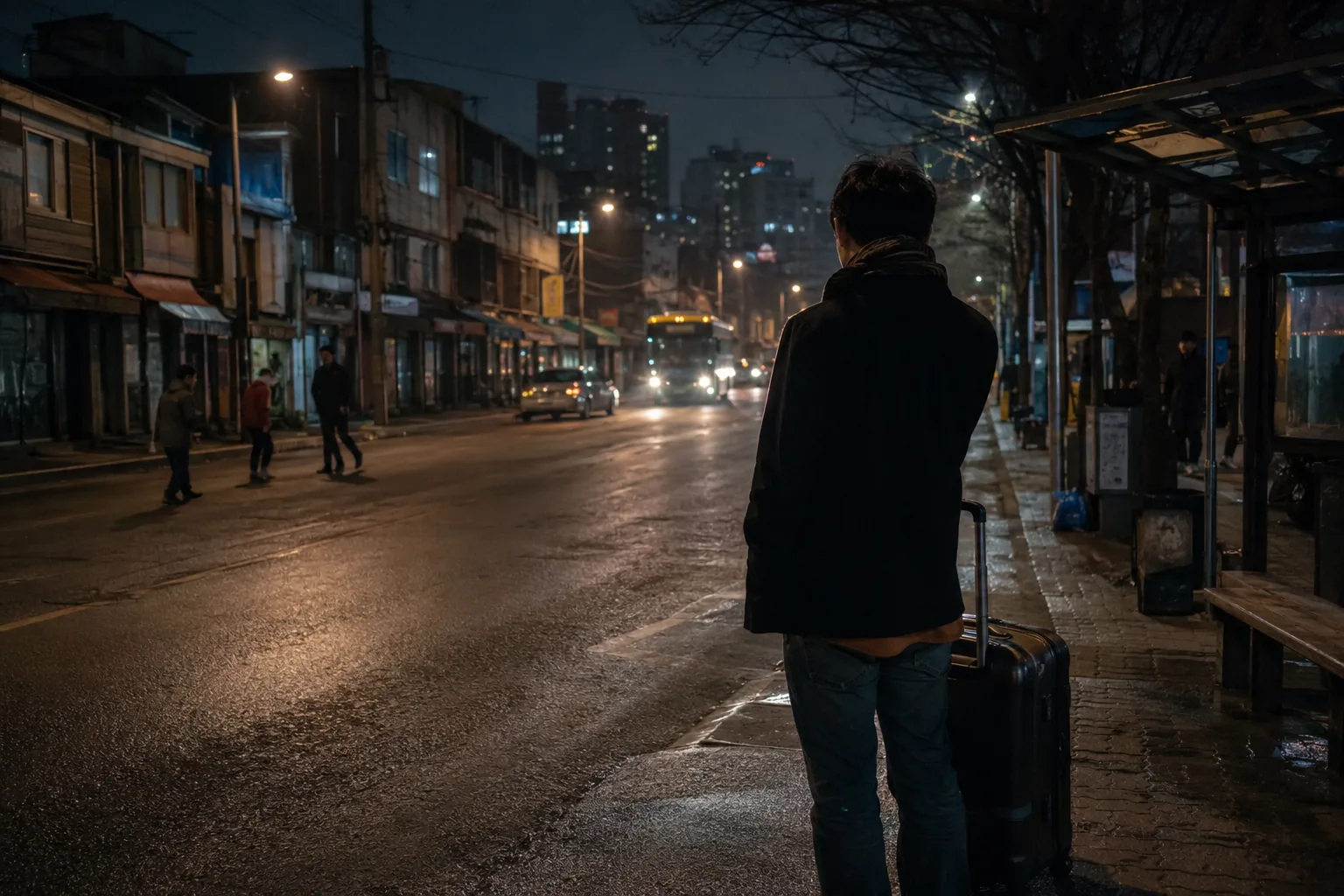
The National Archives of Korea explains that Korean intercountry adoption began in 1954, shortly after the Korean War armistice, as one form of international relief activity addressing the problem of war orphans. In 1955, overseas adoption of war orphans and mixed-race children was institutionally permitted, and in 1961 the “Special Act on Orphan Adoption” was enacted to regulate procedures for foreigners adopting Korean children.
Seen only up to this point, it can look like something caused by the war.
But intercountry adoption continued even after the war ended. The National Archives explains that the children being adopted later shifted from war orphans to children needing protection for reasons including poverty, and that in 1976 the system was reorganized again under the “Special Adoption Act.”
Korea’s adoption history therefore cannot be explained by war alone. Poverty, stigma surrounding unmarried mothers and their children, bloodline-centered family norms, child-welfare policy, and the adoption system overlapped for decades.
Knowing this makes Cha Moo-hyuk in 2004 look a little different. Even half a century after the Korean War, “a Korean adopted overseas” was still a realistic enough premise for a Korean drama to explain a family tragedy.
What Moo-hyuk May Have Been Asking Was “Why Wasn’t I Chosen?”
From here, we move from historical fact to Iyagikkun’s interpretation of the drama.
If we see Moo-hyuk’s anger as nothing more than a desire for revenge, we miss something. He believes he was sent outside the family, and when he returns to Korea he looks at the family and belonging that seem to exist naturally for other people.
His question may have been close to this:
Why wasn’t I chosen?
As a child, Moo-hyuk could not choose where he would live, whom he would call family, or what language and culture would shape him. The biggest decisions of his life were made by other people.
So his search for his birth family is not merely an attempt to confirm identities. It can be read as an attempt to find out whether he, too, had originally been part of someone’s family, and whether there had been a place that should have remained for him.
So Eun-chae’s Love Looks a Little Different
Song Eun-chae cannot restore Moo-hyuk’s childhood. She cannot create a life in which he was never adopted, nor can she resolve his past for him.
But she can do one thing.
She can choose the Moo-hyuk who exists now.
Young Moo-hyuk’s life was determined by other people’s choices. As an adult, through Eun-chae, he experiences for the first time a kind of love that says, “I choose you because you are you.”
So the romance and the family story in I’m Sorry, I Love You may not be completely separate narratives. In the end, both return to the same question.
Who will choose me, and who will stay with me until the end?
The Story Did Not End in 2004
Cha Moo-hyuk is a fictional character. The experiences of real intercountry adoptees should not be generalized from this one person. Some people feel Korea is their homeland and others do not; some search for their birth families and others do not.
Even so, there is now one reason to revisit this drama. Korean society is still looking back at the history of intercountry adoption.
In March 2025, South Korea’s Truth and Reconciliation Commission announced a truth-finding decision concerning human rights violations in intercountry adoption processes. When the commission’s third term began in 2026, its first truth-finding application concerned human-rights abuses in overseas adoption.
As of July 31, 2026, the commission listed 518 applications under the category of intercountry adoption.
In the 2004 drama, one man returned to Korea looking for answers about his past. More than twenty years later, in real-life Korea too, people are still searching for answers about adoption processes, records, and their own identities.
Back to Cha Moo-hyuk — Was the Place He Came to His Homeland?
Moo-hyuk loved Eun-chae. But if we look back at his story from the beginning, we can see a longing older than that love.
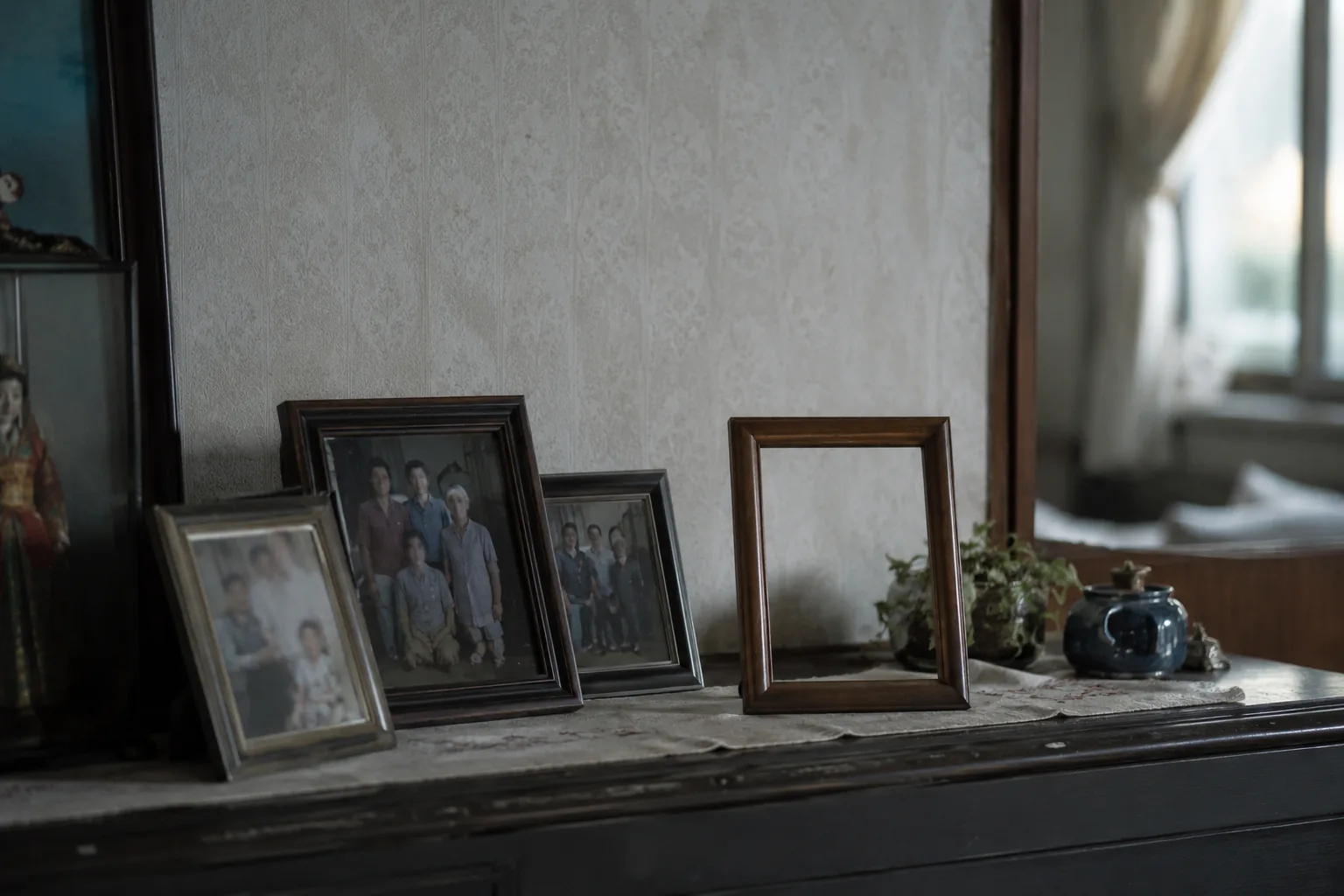
He wants to be loved by his mother, to have a place inside a family, and to know that he is not someone who is only ever abandoned, but someone who can also be chosen by another person.
Knowing Korea’s intercountry adoption history does not turn I’m Sorry, I Love You into a documentary about intercountry adoption.
Instead, one question changes.
Did Cha Moo-hyuk really return to his homeland?
Or did he come looking for a home he had never had even once?
Today’s Korean Expression
고향 (gohyang)
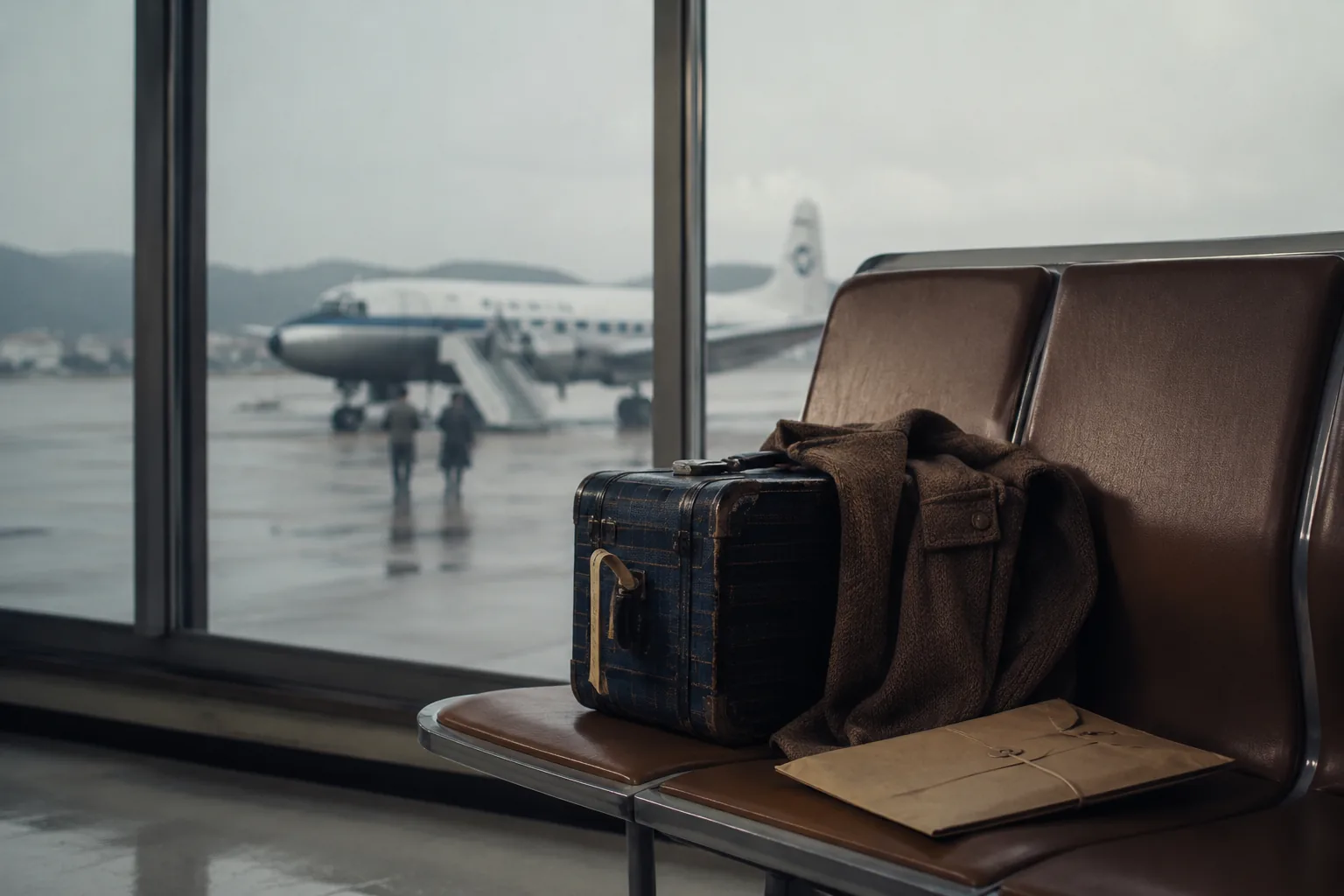
It is usually translated as “hometown” or “homeland,” but in Korean it can carry feelings that go beyond a simple birthplace: family, memories of growing up, and a place to return to.
For someone like Moo-hyuk, whose birthplace and the place where he grew up are different, the question “Where is your gohyang?” becomes difficult to answer by nationality alone.
Sources
- KBS Star Entertainment, “드라마 볼래, 나랑 살래?… ‘미안하다, 사랑한다’ 다시 즐기기” — Moo-hyuk’s Australian adoption setting. https://kstar.kbs.co.kr/list_view.html?idx=35555
- National Archives of Korea, “인구정책 > 이민 정책” — the start of Korean intercountry adoption from 1954 and legal changes. https://theme.archives.go.kr/next/populationPolicy/issue07.do
- Truth and Reconciliation Commission, Republic of Korea, “해외입양 과정 인권침해 사건 진실규명 결정 발표” — March 2025 decision. https://jinsil.go.kr/fnt/nac/selectNoticeDetail.do?bbsId=BBSMSTR_000000000710&nttId=323795
- Truth and Reconciliation Commission, Republic of Korea, “진실규명 신청현황” — 518 intercountry-adoption applications as of July 31, 2026. https://www.jinsil.go.kr/fnt/bbm/bbs/selectBoardArticleView.do?menu_no=310000&nttId=23199&upper_menu_no=300000