
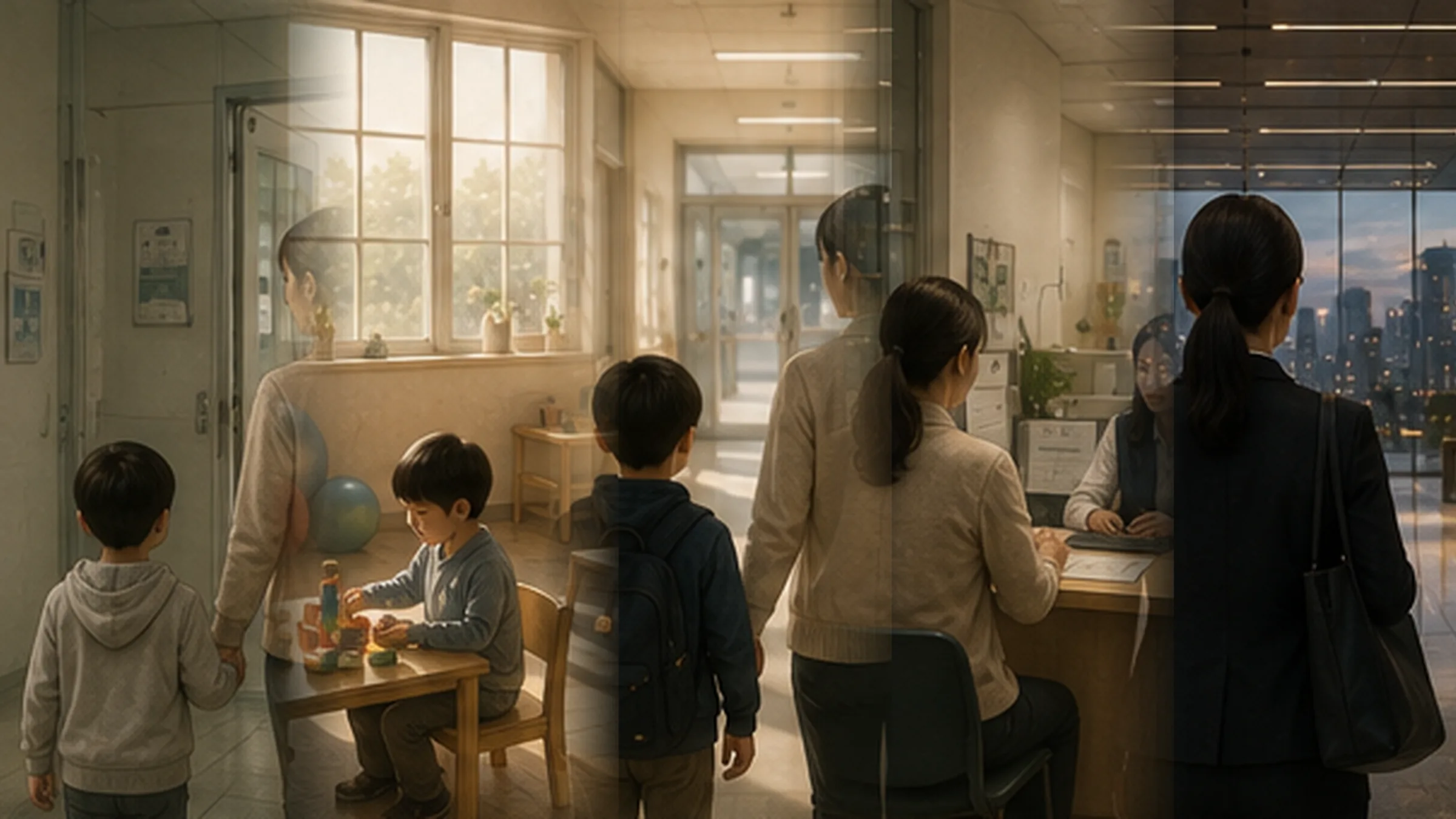
In Extraordinary Attorney Woo, Woo Young-woo appears before us only after she has already become a lawyer.
She gets a job at a major Seoul law firm, takes the subway to work, and solves cases with her colleagues. Netflix also describes the series as the story of a woman on the autism spectrum who becomes a rookie attorney at a major law firm.
Real-life autism stories usually begin about twenty years earlier.
A child starts speaking later than peers. The child does not reliably turn when their name is called. They repeat certain behaviours. The parents go to a hospital and have the child assessed. Then one day a diagnosis is given.
Autism spectrum disorder.
Korea’s 2021 survey of people with developmental disabilities found that autistic disorder was first noticed at an average age of 3.1 and diagnosed at an average age of 4.6. In the same survey, 30.5% of autistic people needed help with all activities of daily living, and 27.5% were almost unable to communicate.
Woo Young-woo is autistic. These people are autistic too.
Lives can look completely different under the same label.
So when looking at reality, the question cannot end with, “How many people like Woo Young-woo actually exist?”
When one autistic child is born, who actually takes on the work that child needs in order to live?
The second job parents get after diagnosis
Korea does have systems.
There are developmental rehabilitation services, personal assistance for disabled people, special education, family support, daytime activity services, and emergency care.
So it would be wrong to write, “Korea has no autism support system.”
It is similar to mobility rights for disabled people. There are accessible call taxis, low-floor buses, and subway elevators. The issue is not whether they are marked on a map.
What matters is whether you can actually use them today and get all the way to where you want to go.
Autism support is the same.
What matters is not simply whether therapy support exists, but whether you can receive it in your neighbourhood right now. What matters is not simply whether care services exist, but whether parents can use them while continuing to work. What matters is not simply whether special education exists, but whether an appropriate place for the child actually exists.
In Korea, parents were the primary caregivers for 78.6% of people with developmental disabilities. Mothers accounted for 66.2% and fathers 12.4%. The average age of the primary caregiver was already 56.6.
If you read those numbers only as “Korean parents do a lot of caregiving,” you miss the point.
The real question is not whether parents care for their child. It is whether parents also have to remain the lifelong connectors of the system.
Who makes the hospital appointment? Who checks service eligibility? Who fills out the application? Who connects the school and the therapy provider? When a service stops, who calls again?
The moment a family stops being merely a user of the system and becomes the person manually stitching the system together, the distance between welfare on paper and life in practice grows longer.
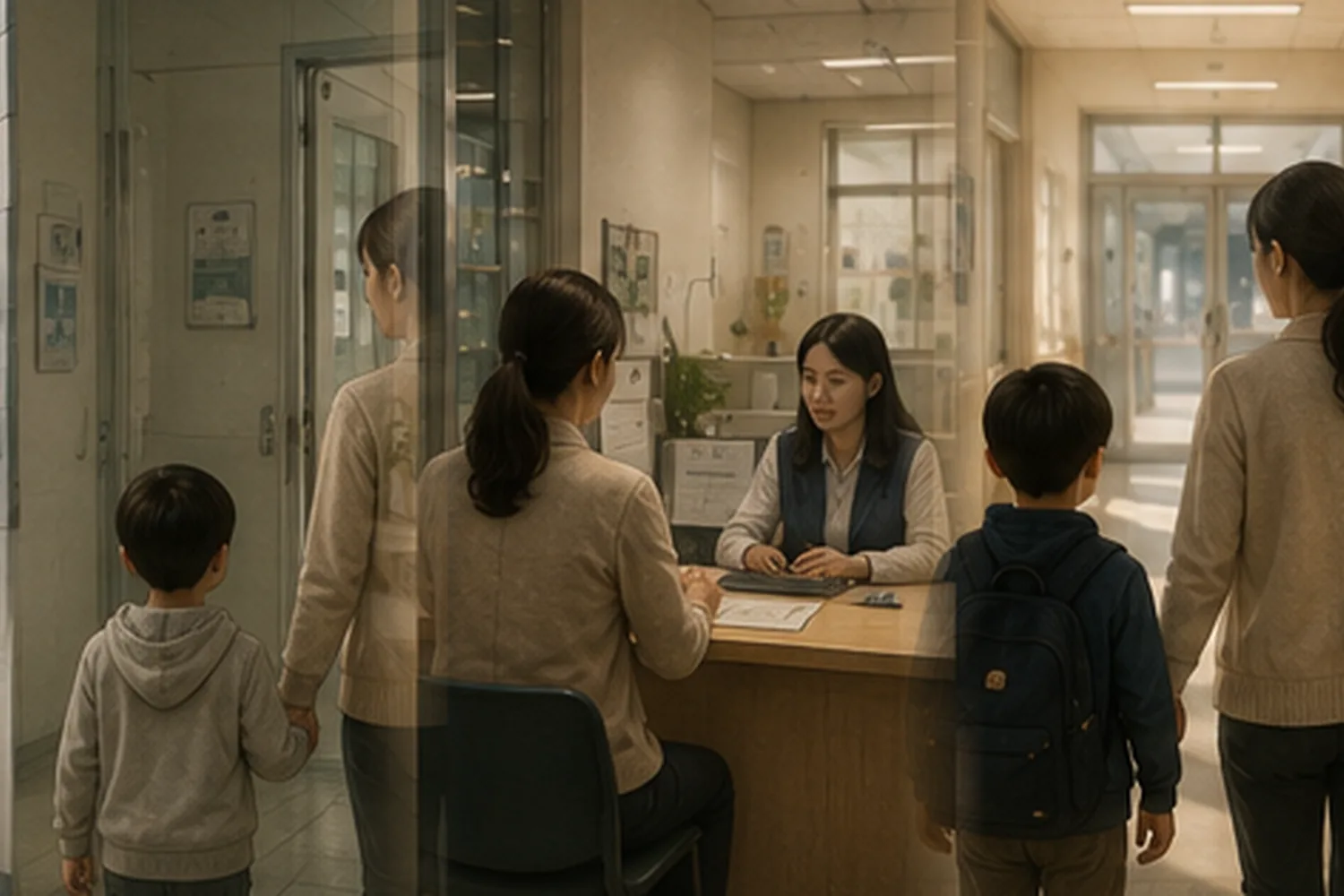
What if the same child were born in the United States?
The U.S. Individuals with Disabilities Education Act, IDEA, gives eligible students with disabilities a right to an appropriate public education and to special education and related services. An Individualized Education Program, or IEP, records the supports the student needs, and it also addresses transition services for moving into adulthood.
Outside school, there are community-based supports such as Medicaid’s HCBS.
On the surface, it looks much smoother than Korea.
But the United States has a catch too. HCBS varies greatly by state, and waiting lists can occur.
So the defining feature of the United States is not that “the system is perfect,” but rather that a broad range of support has been institutionalized as rights, while the lived experience still changes depending on which state you live in and how much service supply actually exists.
The Canadian government wrote down its own problems
Canada’s 2024 national autism strategy describes quite frankly the problems autistic people and their families face when trying to find services.
Long wait times, diagnostic procedures that differ by region, burdensome out-of-pocket costs, difficulty accessing consistent therapy services, and shortages of specialized professionals.
Canada is not a country without systems either.
The problem is that even when a system exists, if the door into it is too narrow, families can experience it as almost the same as having no system at all.
This point matters in comparisons among wealthy countries. Copying a good program is one thing; supplying the people and budget needed for that program to work on time is another.
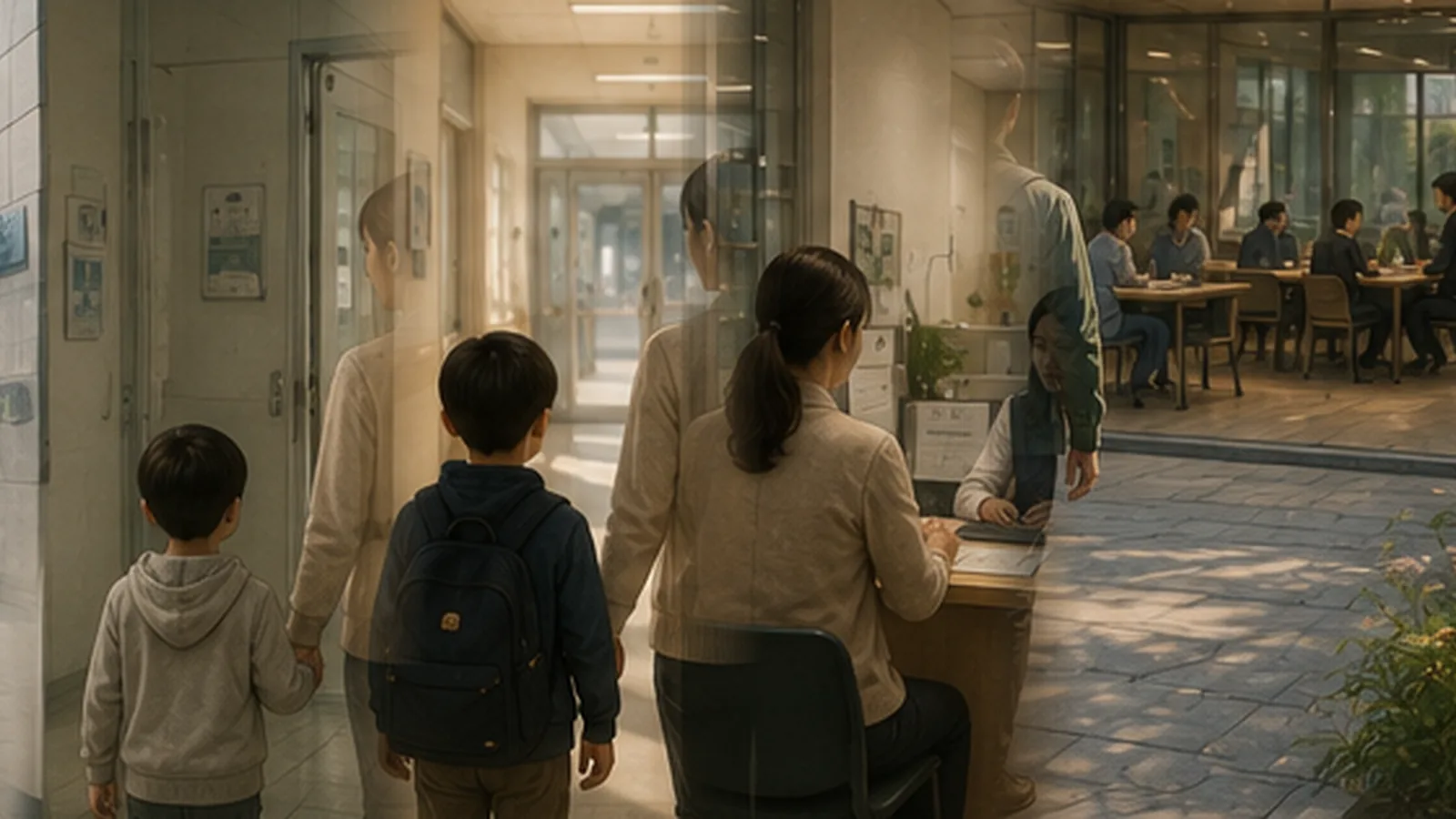
Japan is more similar to Korea than many people think
Japan also has child development support, after-school day services, and developmental-disability support centres.
Yet recent Japanese government discussions of disability welfare continue to point out regional disparities. Official meetings also discuss the “wall” that appears after age 18 when school ends, where adults can go during the day, employment, independence, and the problem of group homes after parents die.
These are very similar to the questions Korean parents ask.
Where does the child go after graduating from school? Who provides care when the parents get old? Will the system keep running after the parents die?
Japan is a useful comparison because it lets us look not at “Korea versus the West,” but at how a similar East Asian society is trying to solve the same problems.
The United Kingdom tied the plans together, but time is the problem
England has Education, Health and Care Plans, or EHC Plans.
They are designed to bring education, health, and care into one person’s plan. From a parent’s point of view, that sounds much more reasonable than having the hospital, school, and welfare services all move separately.
But in 2025, only 46.1% of new EHC Plans were issued within the statutory processing period of 20 weeks.
That means that even with a good system, more than half exceeded the legal deadline.
Waiting for an autism diagnosis is also lengthy. In 2022–23 data obtained by the Children’s Commissioner for England, children diagnosed with autism through community health services waited an average of 791 days, and nearly one in six waited more than four years.
This case shows a very simple fact.
A good system and a good user experience are not the same thing.
Germany expanded the right to choose services
Germany’s Personal Budget allows eligible disabled people to receive funding in budget form instead of receiving needed participation and care supports only as fixed in-kind services, so that users can purchase and arrange the services themselves.
It gives people more room to choose who provides the service, when, how, and where.
Even within the autism spectrum, the support a person needs differs from one individual to another. Communication support may matter most for one person, daily-living and employment support for another, while someone else may need many hours of care.
What is worth watching in the German model is less the amount of money than the question of whether services force people to fit the system, or the system moves to fit people’s lives.
The German government itself also continues to study how to make Personal Budget approval faster and less bureaucratic. Even when people have choice, a complicated application process can become another barrier.
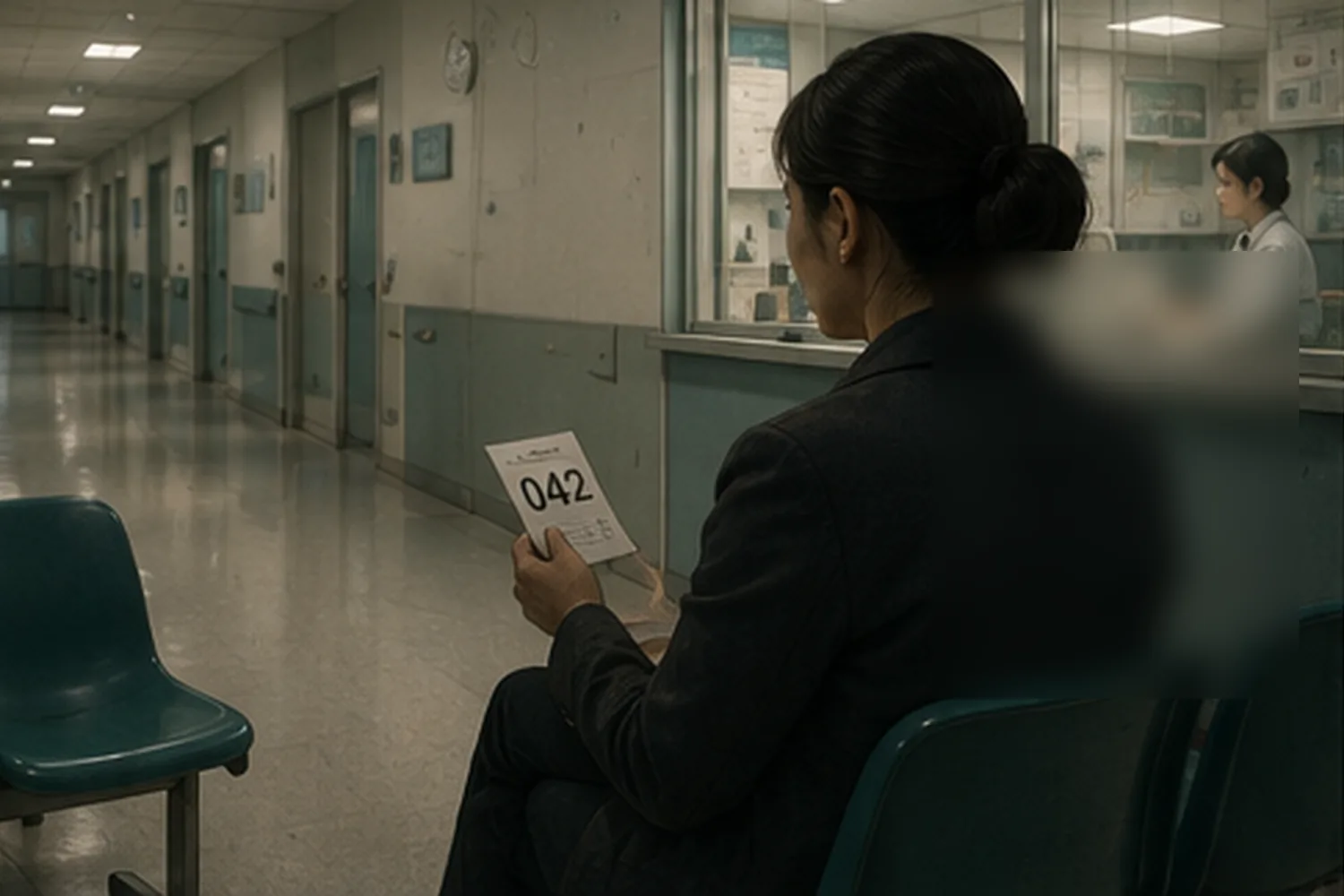
In Sweden too, “approval” and “use” are different
Sweden’s LSS system includes supports such as avlösarservice, which temporarily takes over parental caregiving, short-term stays called korttidsvistelse, special housing for adults, and daytime activities.
In particular, an explicit purpose of in-home relief care is to let parents rest or take part in activities that the child does not join. It is designed to be available not only during the day, but also in the evening, at night, and on weekends.
That is an important difference.
It treats a parent’s need for a short break not as a matter of guilt, but as a part of everyday life that should be supported.
But in Sweden, approval does not mean everything is immediately finished either.
According to Sweden’s supervisory authority IVO, in 2025 more than 17,000 already-approved social-service and LSS decisions were reported as not having actually been provided for more than three months.
The person is eligible. Approval has been granted. But there may be no worker or no place, so the service still cannot be used.
Even in an advanced welfare state, the final contest is ultimately about supply.
What we ultimately need to compare is not a chart of programs
If you lay out the program lists for Korea, the United States, Canada, Japan, the United Kingdom, Germany, and Sweden, every country has quite a few boxes filled in.
That is why international comparison has little meaning if it stops at “Which country has which program?”
What we really need to compare is this.
How long do people wait from diagnosis to the first real support?
How many places must parents call themselves, and how many forms must they fill out?
Are there actually people available to provide an approved service?
How large is the gap between Seoul and the regions, between a capital and a small city?
Are hospitals, schools, welfare services, and employment connected to one another?
Can parents use the services without having to quit their jobs?
Does the next support continue even after the child graduates from school?
And finally,
Does the system keep working even when the parents are gone?
That is the real performance of a welfare system.
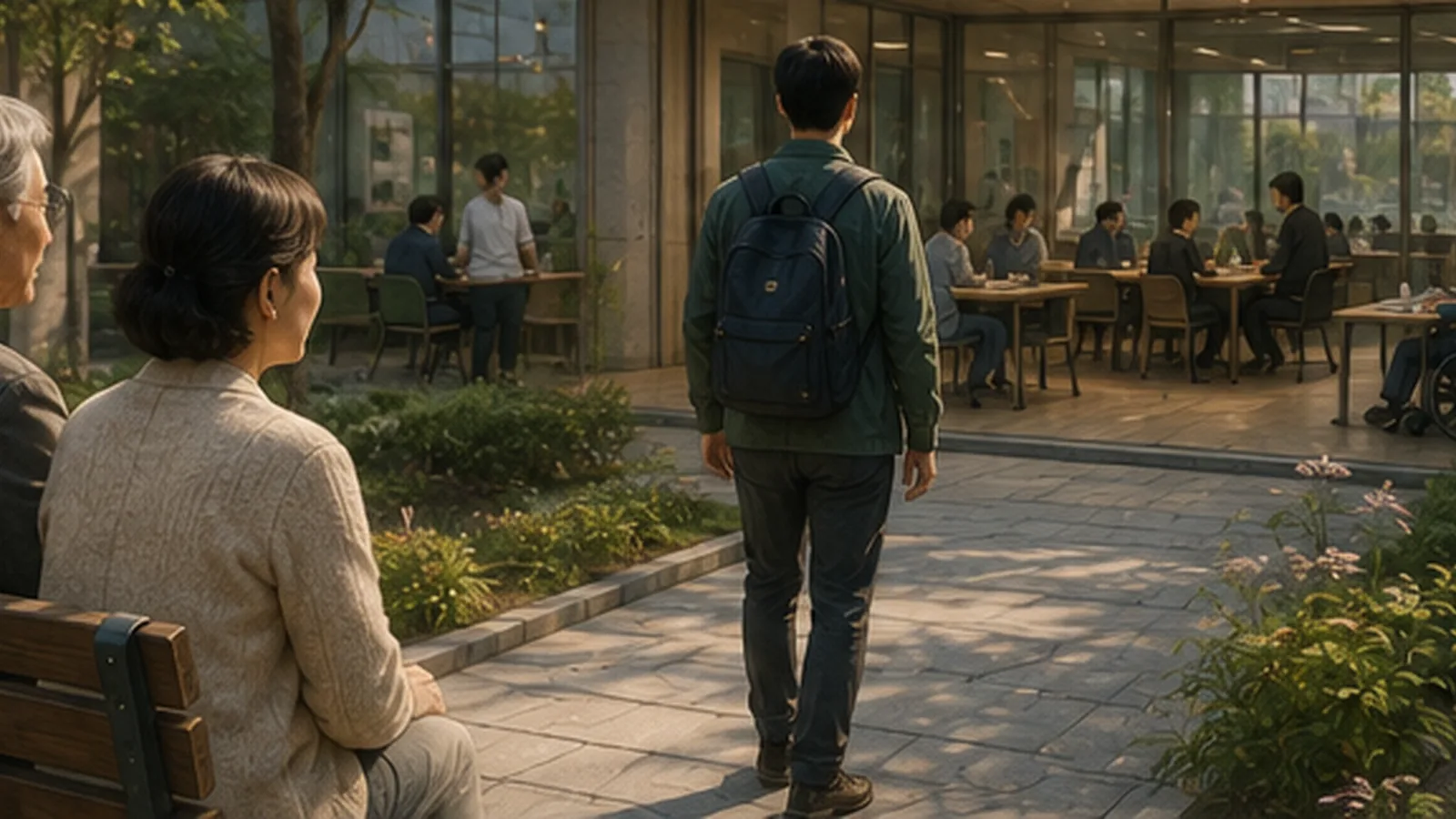
Back to Woo Young-woo
Woo Young-woo is a lawyer on the autism spectrum.
She does not represent the average real-life autistic person. Nor can every autistic person speak, study, and work the way Woo Young-woo does.
That does not mean the drama lied.
A drama can show one possible person’s life.
What we need to look at after the screen goes dark is a different question.
In Korea’s 2021 survey of people with developmental disabilities, the difficulty most frequently named by families was “helplessness about what happens after the caregiver dies,” at 34.9%.
Will my child’s speech improve?
Will my child adjust to school?
Will my child be able to get a job?
Will my child be able to live alone?
Those questions eventually converge into one.
What happens after I die?
The standard for judging a good society is probably not how many autistic geniuses like Woo Young-woo it has managed to produce.
It is closer to whether even people who have difficulty living independently can live without the sacrifice of one parent’s entire life.
And that answer cannot be found by counting welfare programs.
There is a surprisingly long distance between a system existing and being able to use that system in real life today.
Perhaps this is the question that Extraordinary Attorney Woo asks us to throw back at reality.
If Woo Young-woo had been born in the real world, could she have become a lawyer?
Before that,
How much would that child and her family have had to fight the system for twenty years?
Today’s Korean expression
Expression: 돌봄
Romanization: dolbom
Meaning: a broad term for the acts and responsibilities involved in supporting children, older people, disabled people, and others who need help in daily life.
Usage: in Korean discussions of welfare, family, and labour, it is used much more broadly than simple babysitting.
Example: If care is left only to the family, the parents’ lives can stop as well.
Sources
- Netflix, Extraordinary Attorney Woo official page — https://www.netflix.com/title/81518991
- Ministry of Health and Welfare, “Results of the 2021 Survey of People with Developmental Disabilities” — https://www.mohw.go.kr/board.es?act=view&bid=0027&list_no=372831&mid=a10503010100&tag=
- Ministry of Health and Welfare, Personal Assistance Services for Disabled People — https://www.mohw.go.kr/menu.es?mid=a10710040700
- Ministry of Health and Welfare, Daytime Activity Services for Adults with Developmental Disabilities — https://www.mohw.go.kr/menu.es?mid=a10710041100
- Ministry of Health and Welfare, Family Respite Support for People with Developmental Disabilities — https://www.mohw.go.kr/menu.es?mid=a10710040600
- U.S. Department of Education, IDEA / Transition Services — https://sites.ed.gov/idea/regs/b/a/300.43
- Medicaid.gov, Home & Community-Based Services — https://www.medicaid.gov/medicaid/home-community-based-services
- Public Health Agency of Canada, Canada’s Autism Strategy — https://www.canada.ca/en/public-health/services/publications/diseases-conditions/canada-autism-strategy.html
- Japan Ministry of Health, Labour and Welfare, Social Security Council Disability Subcommittee minutes — https://www.mhlw.go.jp/stf/newpage_70397.html
- GOV.UK, Education, Health and Care plans statistics 2026 — https://explore-education-statistics.service.gov.uk/find-statistics/education-health-and-care-plans/2026
- Children’s Commissioner for England, autism and neurodevelopmental waiting times — https://www.childrenscommissioner.gov.uk/resource/waiting-times-for-assessment-and-support-for-autism-adhd-and-other-neurodevelopmental-conditions/
- German Federal Ministry of Labour and Social Affairs, Persönliches Budget — https://www.bmas.de/DE/Soziales/Teilhabe-und-Inklusion/Rehabilitation-und-Teilhabe/Persoenliches-Budget/Fragen-und-Antworten-DGS/faq-persoenliches-budget.html
- Sweden Kunskapsguiden, LSS support — https://kunskapsguiden.se/omraden-och-teman/funktionshinder/insatser-enligt-lss/om-insatser-och-stod-enligt-lss/
- Sweden IVO, unimplemented SoL/LSS decisions 2025 — https://www.ivo.se/statistik/ej-verkstallda-beslut/